
High gloss
The polished edge of clear acrylic emphasizes its transparency. We coordinate the appropriate appearance and processing method with the material and shape of the piece; we do not attribute the same optical effect to all plastic panels.

POS Plastika · services
The edge can be matte, polished, beveled or rounded. Determine the desired processing based on the appearance and shape of the product. Separately mark the edges that will be visible and those that will come into contact with other parts.
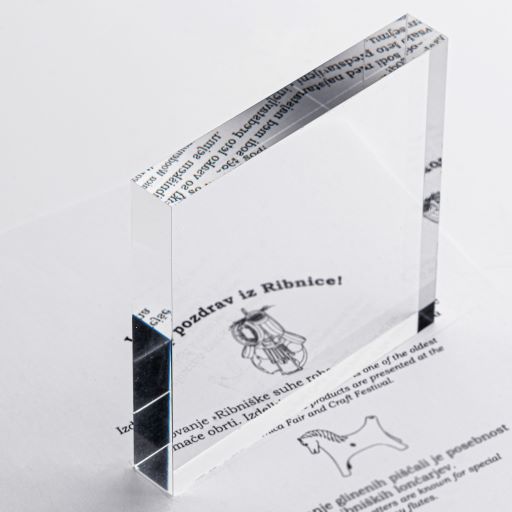
The polished edge of clear acrylic emphasizes its transparency. We coordinate the appropriate appearance and processing method with the material and shape of the piece; we do not attribute the same optical effect to all plastic panels.
For a different look, choose a matte finish. You can compare the transparent polished edge and the satin edge in the photos before defining the desired finish.
Edges can be processed at an angle, even on both sides. Indicate in the plan which edge is processed, on which side and what the final profile should be.
Rounded edges are another finishing option. Specify the radius and extent of the rounding in the sketch; distinguish the corners of the panel from the rounding of the edge profile itself.
| Materials | Acrylic (PMMA), polycarbonate glazing, POM and PVC. |
|---|---|
| Versions | Polishing, satin finishing and bevelling, on one or both sides. |
The material determines the possible final appearance. For opaque materials, polishing does not mean a transparent or crystal-clear edge.
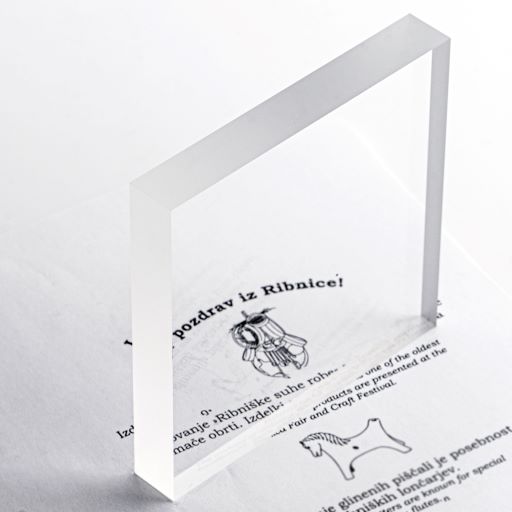
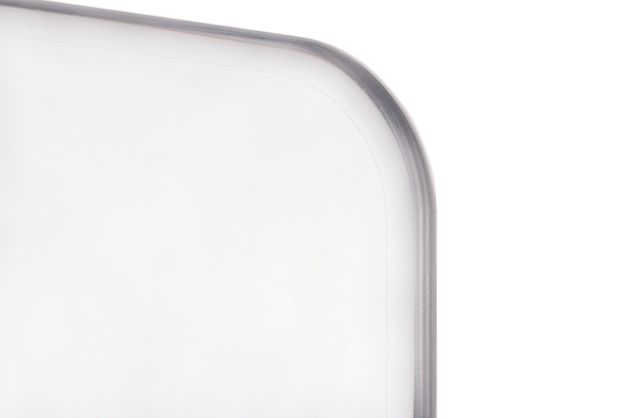
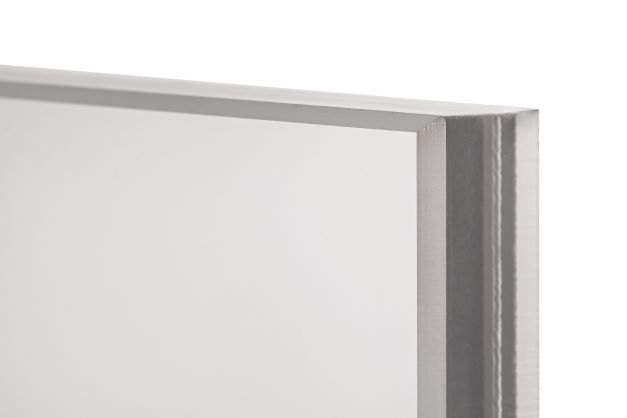
The display panel can have visible polished edges, while the other edge remains for the joint. The marking on the sketch makes it clear which surfaces should have the same appearance and which require different processing.
Send plans and photos by e-mail: info@pos-plastika.si
